November 24, 2026
Choosing the right well pump is essential for maintaining a reliable water supply on your property. The pump moves groundwater into your home's plumbing system, making it one of the most important components of a private well. Factors such as well depth, water demand, and water pressure all influence which pump will work best. Working with an experienced water well company can help ensure your system meets your property's needs.
Understanding Different Types of Well Pumps
Several types of well pumps are available, each designed for particular depths and water requirements. Understanding their differences can help property owners make informed decisions when considering installation or replacement. A professional water well company can evaluate the well and recommend suitable equipment.
Jet pumps are commonly used for shallow wells, typically drawing water from depths of less than 25 feet. They operate by creating suction that pulls water toward the surface. Convertible jet pumps can also accommodate deeper applications through a two-pipe configuration, with certain models reaching approximately 110 feet.
Submersible pumps operate underwater inside the well. Rather than pulling water toward the surface, they push it through the plumbing system, making them particularly effective for deeper wells. Their submerged operation also reduces noise and helps keep the motor cool during use.
Centrifugal pumps use rotating impellers to move water through a system. They are generally suited to shallow wells and applications requiring consistent water movement over shorter distances. Their straightforward design makes them a practical option for certain residential, agricultural, and commercial properties.
Solar-powered pumps use photovoltaic panels to generate electricity for water extraction. They can be useful for remote properties where connecting to the electrical grid is difficult or expensive. Although initial installation costs may be higher, reduced dependence on conventional electricity can provide long-term savings.
Assessing Your Property's Water Needs
Before selecting a pump, it is important to understand how much water your property requires. Household size, daily routines, plumbing fixtures, and outdoor water use all contribute to overall consumption. A water well company can evaluate these factors and recommend equipment with sufficient capacity.
According to the U.S. Geological Survey, adequate domestic supply from a private well is 5 gallons of water per minute. This provides an important reference point when evaluating whether a well can support typical household activities. Actual requirements vary depending on household size and additional water needs.
Peak demand is another important consideration. Water consumption often increases during mornings and evenings when several household members use showers, faucets, and appliances simultaneously. Properties with irrigation systems, livestock, or additional buildings may also experience higher demand.
Flow rate, measured in gallons per minute, indicates how much water a pump can deliver over a specific period. Residential systems often require pumps capable of delivering approximately 10 to 15 gallons per minute, although the appropriate capacity depends on the well's yield and household requirements. Proper sizing helps prevent unnecessary energy consumption and inconsistent water delivery.
Water pressure is equally important when evaluating pump performance. Most residential plumbing systems operate within a range of approximately 40 to 60 pounds per square inch. Property elevation, building size, and the distance water must travel can influence pressure requirements.
Future household changes should also factor into pump selection. Home additions, additional bathrooms, and expanded irrigation systems may increase water consumption over time. Choosing equipment with appropriate capacity can help accommodate these changes.
Determining Well Depth and Yield Capacity
Well depth is one of the most important considerations when choosing a pump. Shallow wells generally have different equipment requirements than deeper wells, and selecting incompatible equipment can affect performance. Professional evaluations help establish the specifications needed for reliable water delivery.
The static water level refers to the depth at which water naturally rests inside a well when pumping is not occurring. The pumping water level describes where the water settles while the pump is operating. Understanding these measurements helps determine how much lifting capacity the pump needs.
Well yield indicates how quickly groundwater can replenish the well. A well may contain a substantial amount of water but still have a limited recovery rate. If the pump removes water faster than the well can replenish it, the system may experience reduced output or interruptions in service.
Professional assessments consider depth, water levels, recovery rates, and expected consumption. These details help determine whether a jet pump or submersible pump is appropriate. An experienced water well company can also identify whether existing equipment is properly matched to the well's available supply.
Evaluating Energy Efficiency and Operating Costs
Energy consumption is an important consideration because well pumps may operate frequently throughout the day. Pump size, motor efficiency, operating pressure, and water demand all influence electricity usage. Comparing these factors can help property owners balance performance with long-term operating expenses.
Submersible pumps are often energy-efficient choices for deeper wells because they push water upward rather than relying on suction. Variable-speed pumps provide another option by adjusting their operating speed according to water demand. This can help maintain consistent pressure while reducing unnecessary operation.
Solar-powered equipment may also offer financial advantages for properties with suitable sunlight exposure. Although installation expenses can be higher, reduced electricity costs may offset some of the initial investment over time. The best choice depends on the property's location, water requirements, and available energy resources.
Recognizing Signs of Well Pump Problems
Even properly selected pumps can experience performance issues as they age. Changes in water pressure, inconsistent delivery, unusual noises, and unexpected increases in electricity consumption may indicate that equipment needs professional attention. Recognizing these changes early can help prevent more extensive problems.
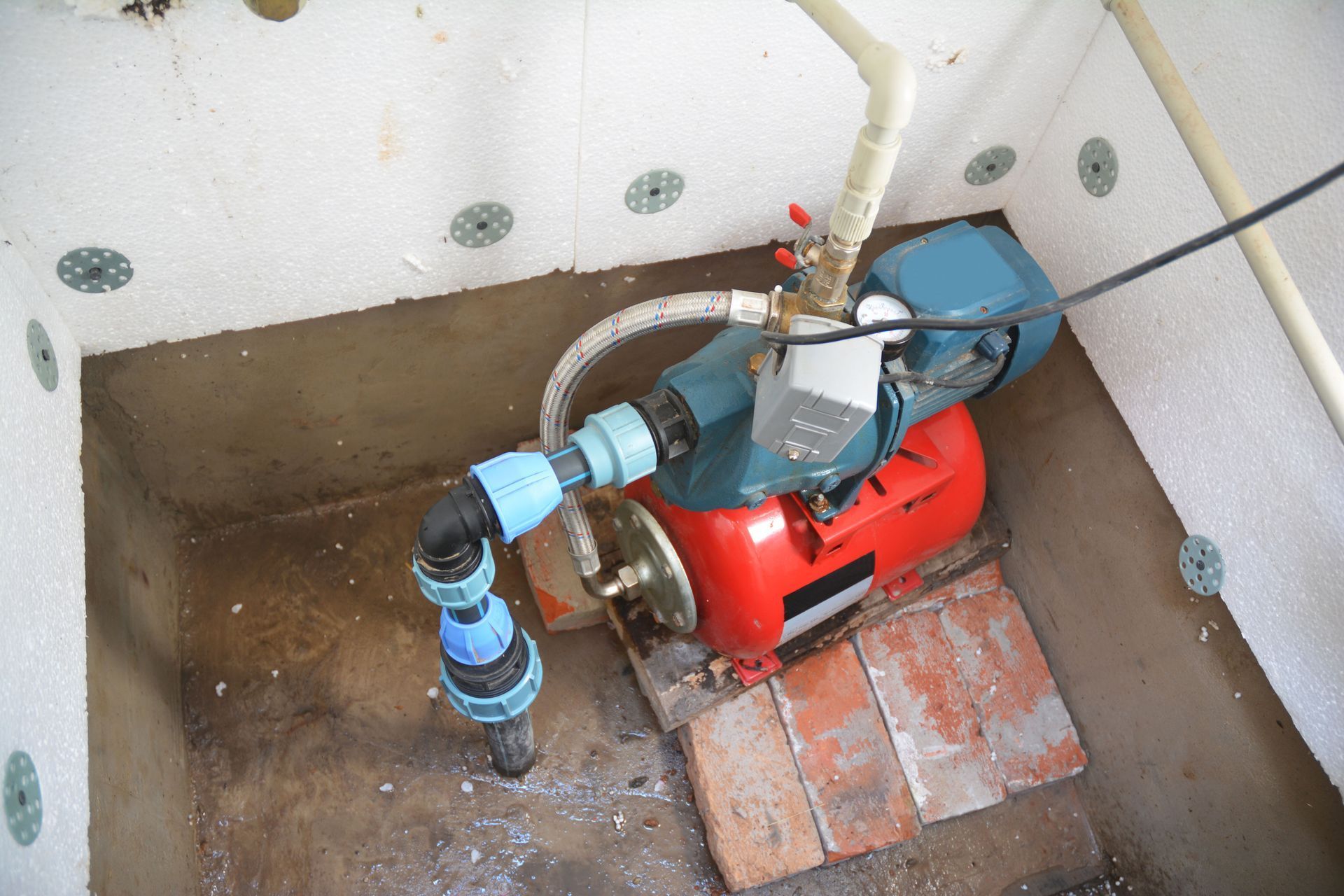
Frequent cycling occurs when a pump repeatedly turns on and off instead of operating through normal cycles. Problems involving pressure tanks, switches, or pump components may contribute to this behavior. A professional inspection can identify the source and determine the appropriate repair.
Air entering the plumbing system may also indicate a problem with the well or pump. Faucets that sputter and sudden pressure fluctuations can suggest that equipment is not operating correctly. These symptoms should be evaluated, particularly when they occur alongside changes in water availability.
Aging equipment may eventually require replacement, especially when repairs become increasingly frequent or the pump can no longer meet household demands. A dependable water well company can help determine whether repairing existing equipment or installing a replacement system is the more practical option.
Knowing The Importance of Professional Well Pump Installation
Proper installation is essential for achieving dependable pump performance. Equipment must be selected according to well depth, available water supply, pressure requirements, and plumbing configuration. Incorrect sizing or installation can contribute to inefficient operation and premature equipment failure.
Professional installers evaluate the entire water system rather than focusing exclusively on the pump. This includes examining pressure tanks, electrical connections, control switches, and other components that affect water delivery. Addressing these details helps ensure the equipment operates efficiently.
Local groundwater conditions can also influence pump selection. Water levels, geological characteristics, and seasonal changes may affect how a well performs throughout the year. Professionals familiar with regional conditions can provide recommendations that account for these considerations.
Routine professional inspections are valuable for maintaining system reliability. Evaluating pump operation, pressure levels, and essential components can help identify developing problems before they cause significant disruptions.
Planning for Long-Term Well Pump Performance
A dependable well pump should provide sufficient water while operating efficiently under normal conditions. Choosing equipment based only on its initial price may overlook important differences in capacity, energy consumption, and expected service life. Considering the complete system can help property owners make a more practical investment.
Water demand may change as properties expand or household requirements evolve. A pump that works well for a smaller household may not provide sufficient capacity after additional bathrooms or irrigation systems are introduced. Periodic professional evaluations from a water well company can determine whether existing equipment continues to meet those needs.
Working with an experienced water well company makes it easier to evaluate equipment options and understand the factors that influence pump performance. Professional guidance can help property owners choose appropriately sized equipment, address existing concerns, and plan for future water requirements. For assistance with well pumps, water system evaluations, or related services, contact Middle Georgia Water Systems to discuss your property's needs and explore solutions for maintaining a reliable water supply.